
Eating Disorder Support for Men
Eating disorders don’t have a “look” — and they don’t belong to one gender. Yet many men struggle to recognise the signs in themselves or to seek support. Many men also say they simply don’t see themselves reflected in eating disorder narratives, which can make it harder to speak up.
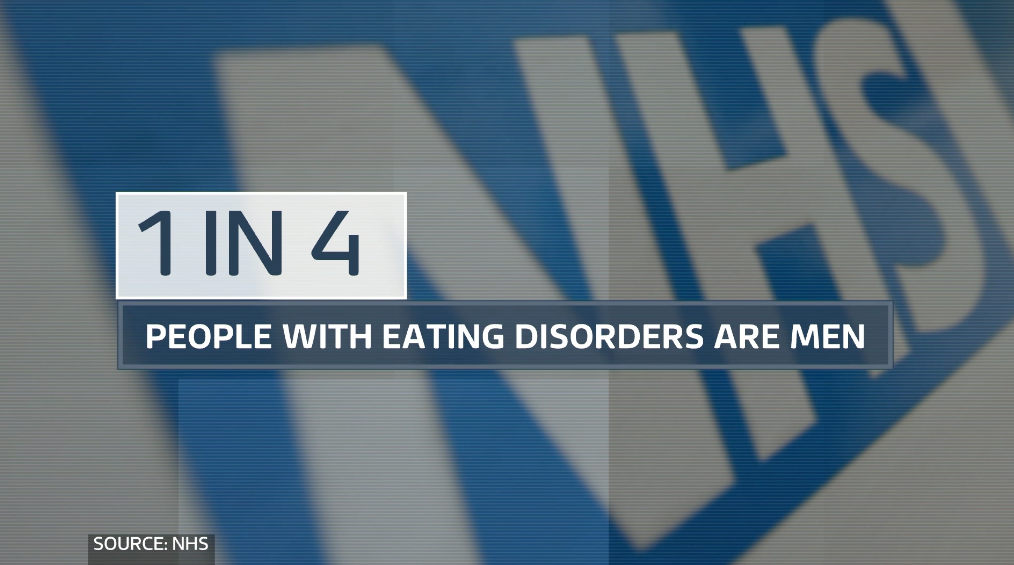
Around one in four people with an eating disorder is male, but the number is likely higher. Because eating disorders are still widely seen as a “female illness”, men are often under-diagnosed, under-referred, and more likely to reach support later, when the illness has become more entrenched.
Many of the men I work with did not initially think they had an eating disorder. They often seek help because of burnout, fatigue, injuries, or changes in mood, rather than concerns about food or body image.
ITV Calendar Interview:
Eating Disorders in Men
I spoke with ITV Calendar News about the challenges men face when seeking help for eating disorders and why many go unrecognised for so long.
The interview highlights some of the barriers men experience — including stigma, misdiagnosis, and the pressure to appear disciplined or resilient — as well as the importance of creating spaces where men feel able to seek support.
If You’re Looking for Support
If you’re concerned about your relationship with food, exercise, or your body, you’re not alone.
Reaching out can feel difficult, but early support can make a significant difference.
If you would like to talk about what you’re experiencing, you’re welcome to get in touch.
Find Out More
Let’s Connect